Tuckpointing St. Louis for Expert Masonry Services
Tuckpointing St. Louis for Expert Masonry Services
Blog Article
Tuckpointing: Necessary Techniques for Strengthening Brick Masonry Integrity
Tuckpointing is an vital procedure in preserving the structural integrity of brickwork. It involves restoring and bolstering the mortar joints, which are key for durability. Overlooking signs of wear can lead to more major issues, including water damage. Understanding the techniques and tools necessary for efficient tuckpointing is imperative. As the explanation unfolds, the significance of proper maintenance and common pitfalls will become apparent. What should one consider before starting such a project?
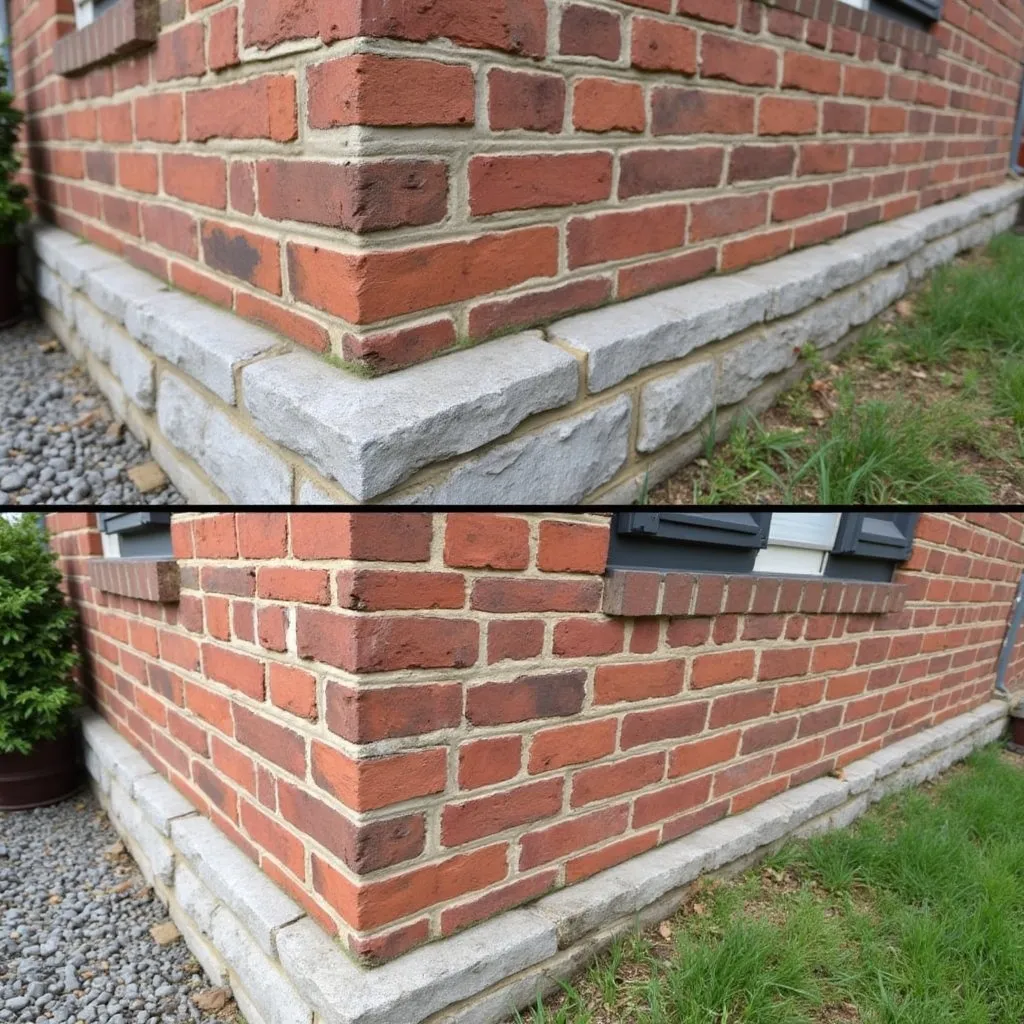
Warnings Your Brickwork Demands Joint Repair
Brickwork decay can often be subtle, making it easy to overlook essential care needs. Homeowners should remain vigilant for distinct signs indicating that tuckpointing may be needed. One standout indicator is the presence of cracks in the mortar joints, which can compromise the structure's integrity. Additionally, color changes or crumbling mortar may signal that moisture is entering the brickwork, leading to further damage. Efflorescence, a white, powdery substance on the surface, often signifies moisture issues and can suggest that tuckpointing is required. Another warning sign is the presence of displacement or loose bricks, which can indicate severe deterioration. Finally, if water infiltration is observed during heavy rainfall, it is important to address the underlying issues promptly. Spotting these signs early can prevent more extensive repairs and extend the lifespan of the brickwork, ensuring the structure remains safe and appealing.
What Is Tuck Pointing and Why Should You Be Concerned?
Tuckpointing represents a specialized masonry technique that entails fixing and renewing the mortar joints between bricks. related content This method is vital for upholding the structural integrity of brickwork, as deteriorating mortar can lead to water infiltration, mold growth, and ongoing deterioration. By carefully removing damaged mortar and replacing it with a new mixture, tuckpointing not only improves the aesthetic of brick structures but also extends their lifespan.
Property owners and managers should focus on tuckpointing since it works as a preventative strategy against significant renovation expenses later. Ignoring visible signs of wear and tear may lead to severe structural issues, thereby jeopardizing the visual integrity and protection of your property. Frequent tuckpointing preserves the worth of brick structures and confirms they stay durable in the face of environmental elements. Learning this approach proves essential for those interested in the durability of their masonry work.
Necessary Instruments and Materials for Efficient Tuckpointing
Proper tuckpointing requires particular tools and materials to assure success and durability. Essential tools include a plastering trowel, which is necessary for applying mortar, and a jointer, employed to shape the mortar joints. A brick hammer is also beneficial for removing damaged mortar and adjusting bricks as needed. Additionally, a mortar mixer creates a uniform blend for peak adhesion.
In terms of ingredients, top-tier mortar is imperative, typically a composition that mirrors the original brickwork for visual harmony and material compatibility. A mortar bag with a nozzle aids in controlled application, while a pointing tool helps to finish the joints cleanly. Safety gear, including gloves and goggles, is necessary to protect against dust and debris. Finally, a wire brush can buff surfaces before application, guaranteeing a strong bond between old and new mortar. Together, these tools and materials enhance the tuckpointing process, contributing to the longevity of the brickwork.
How to Tuckpoint Your Brick Masonry: A Step-by-Step Guide
Revitalizing deteriorating masonry begins with a methodical approach to tuckpointing. First, the area to be repaired should be thoroughly cleaned, removing old mortar and debris using a chisel or grinder. This ensures proper adhesion for new materials. Next, the technician combines a compatible mortar, considering color and texture to match the existing brickwork.
Once the mortar achieves the appropriate consistency, it is placed to the joints using a tuckpointing tool. Careful attention should be given to pack the joints completely, guaranteeing no gaps exist. After placement, the mortar is formed to match the original profile of the joint, often using a pointing trowel or jointer for precision.
Finally, the newly repointed joints should be permitted to properly cure, typically protected by a damp cloth to prevent rapid drying. This systematic approach not only improves the visual appearance but also fortifies the structural integrity of the brickwork.
Standard Blunders to Sidestep During Tuckpointing
During tuckpointing, multiple typical mistakes can compromise the standard of the work. Disregarding climatic factors, choosing the wrong type of binding agent, and overlooking prep work are essential mistakes that can lead to poor results. Knowledge of these problems is essential for attaining long-lasting and visually attractive brickwork.
Overlooking Weather Conditions
Although it might feel tempting to carry on with tuckpointing regardless of weather conditions, this mistake may cause significant problems. Adverse weather, including rain, extreme heat, or freezing temperatures, can damage the effectiveness of mortar and the overall integrity of the repair. For example, moisture can degrade mortar adhesion and cause premature deterioration. Likewise, applying mortar in high heat can result in fast drying, which prevents proper curing. Cold temperatures can impede the setting process, raising the chance of cracks and failures. Therefore, it is important to check weather forecasts and select optimal conditions for tuckpointing. By honoring the elements, one can ensure a long-lasting and effective repair of brickwork, thereby preserving the structure’s integrity.
Improper Grout Selection
A routine oversight in tuckpointing is the choice of an improper mortar mix, which can compromise the repair efficacy. The mortar employed must match the original in composition, color, and texture to ensure accord with the existing brickwork. Using a mix that is too hard, such as Portland cement, can trap moisture and cause decline, while an overly soft mix may not provide adequate support. Additionally, overlooking the particular climate-related factors, such as freeze-thaw cycles, can cause further damage. Tuckpointers must also avoid using pre-mixed mortars that lack the essential flexibility and durability. Proper mortar selection is vital for preserving structural integrity and achieving a visually appealing finish in tuckpointing projects.
Neglecting Surface Preparation
Neglecting base preparation can severely compromise the effectiveness of tuckpointing. Many people underestimate the significance of cleaning and evaluating the brickwork before commencing the tuckpointing process. Failing to remove old mortar, dirt, and debris can lead to poor adhesion of the new mortar, resulting in an unstable repair. Additionally, overlooking the examination of the brick condition may mask underlying issues, such as moisture intrusion or structural damage. This oversight can ultimately lead to further deterioration, negating any benefits gained from the tuckpointing effort. Proper surface preparation guarantees that the new mortar bonds effectively and enhances the overall durability of the repair, making it essential for achieving long-lasting results in brickwork restoration.
How to Preserve Your Tuckpointed Brickwork for Longevity?
To maintain the durability of tuckpointed brickwork, routine inspections are essential to spot possible concerns early. Cleaning should be approached with care to prevent damaging the mortar or bricks. Additionally, prompt repair strategies can prevent minor problems from developing into substantial structural harm.
Routine examinations mandatory
Regular inspections are vital for maintaining the longevity of tuckpointed brickwork, as they assist in identifying potential issues before they escalate. Property owners should perform these inspections at least twice per year, examining mortar joints, brick integrity, and signs of water damage. Look out for cracks, crumbling mortar, or discoloration, which may suggest underlying problems. Additionally, checking for vegetation growing in cracks can help prevent further damage. Keeping records of findings will support tracking changes over time, making it easier to address issues promptly. If any concerns are found during inspections, consulting a professional can provide expert advice on necessary repairs. By emphasizing regular inspections, the durability and visual appeal of tuckpointed brickwork can be preserved for many years.
Clean Using Care
Keeping the appearance and integrity of tuckpointed brickwork requires thorough cleaning procedures that avoid damage while improving its appearance. Because brick surfaces are absorbent and absorb moisture and contaminants, gentle cleaning methods are needed. Soft-bristle brushes combined with mild detergents are ideal for removing dirt and grime without harming the mortar or brick itself. High-pressure washing should be refrained from, as it can erode mortar joints and damage structural integrity. Also, using acidic cleaners can harm the brick’s surface and cause discoloration. Consistently scheduled cleanings, especially during dry seasons, help minimize pollutant buildup. By following these proper cleaning practices, homeowners can extend the longevity of their tuckpointed brickwork and keep its aesthetic appeal.
Rapid Solution Techniques
Timely handling to all hints of damage or decay in tuckpointed brickwork is key for preserving its endurance and aesthetic quality. Homeowners should consistently inspect joints for fissures, deteriorating mortar, or color shifts, which may point to moisture intrusion or structural load. When repairs are needed, using a matching mortar mix assists in retaining the original style and building stability. It is vital to ensure that the fixing substance corresponds to the existing mortar in tone, surface feel, and makeup. Furthermore, covering the repaired spots can shield water damage and stop additional decay. Regular upkeep, including scrubbing and repointing, will increase the resilience of tuckpointed brickwork, ensuring it remains attractive and secure for the foreseeable future.
Common Frequently Asked Questions
How Long Does Tuckpointing Typically Last After Completion?
Tuckpointing typically lasts from 10 to 30 years, based on elements like environmental conditions, the quality of materials used, and the skill of the application. Consistent upkeep is able to extend its longevity substantially.
Can You Repoint Over Current Mortar Joints?
Yes, tuckpointing can be executed over present mortar joints. However, it's important to verify the joints are solidly intact and devoid of substantial wear or breakdown to accomplish the finest performance and long-term durability.
Is Tuck pointing Ideal for Every Kind of Brick?
Tuckpointing is not ideal for every brick type. It performs optimally on soft, clay bricks whereas harder materials might demand alternative approaches. Analyzing the brick type assures optimal results and longevity of the repair.
What Weather Conditions Are Ideal for Tuckpointing?
Optimal climate circumstances for tuckpointing consist of dry conditions with moderate warmth, typically between 50°F and 80°F. Staying away from rain, extreme heat, or freezing temperatures assures correct curing and attachment of the mortar, boosting the effectiveness of the repair.
What Average Price Should You Expect for Expert Tuckpointing?
Tuckpointing work by contractors usually range between $3 and $10 per square foot on average, contingent upon various factors like location, the complexity of the job, and contractor expertise. Supplementary fees may apply for extensive repair work.
Report this page